
PARTNER
About Us
SITA is the air transport industry’s tech engine, making travel safer, easier, and more sustainable for everyone. From the earliest days of commercial aviation to today’s digital frontiers, SITA has been there, connecting the industry and helping it evolve through every leap forward.
With around 2,500 customers, SITA technology supports over 1,000 airports and more than 19,600 aircraft worldwide. It also helps over 70 governments strike the balance between secure borders and seamless journeys. Behind the scenes, SITA bridges 45–50% of the industry’s data exchange, enabling a highly complex global network to operate smoothly and reliably, every step of the way.
SITA is transforming fast. From advanced self-service and operations control to airport design and digital borders, we’re shaping the next generation of travel through key acquisitions like Materna IPS, ASISTIM, and CCM. We’re also expanding beyond aviation with initiatives such as SmartSea, bringing our trusted technologies to cruise, rail, and urban air mobility.
This transformation is about more than new products. We’re investing in the right skills, tools, and partnerships to help the industry move with greater intelligence and agility, bringing together smart systems, seamless data, and sustainable innovation. Because as global travel surges, flow is everything.
As part of our bold climate strategy, SITA is cutting emissions by 4.2% each year and targeting net zero by 2050. Our science-based targets are validated by the SBTi, and our growing portfolio is helping customers reduce their own carbon footprints too. Owned by the industry and driven by its needs, SITA operates in more than 200 countries and territories.
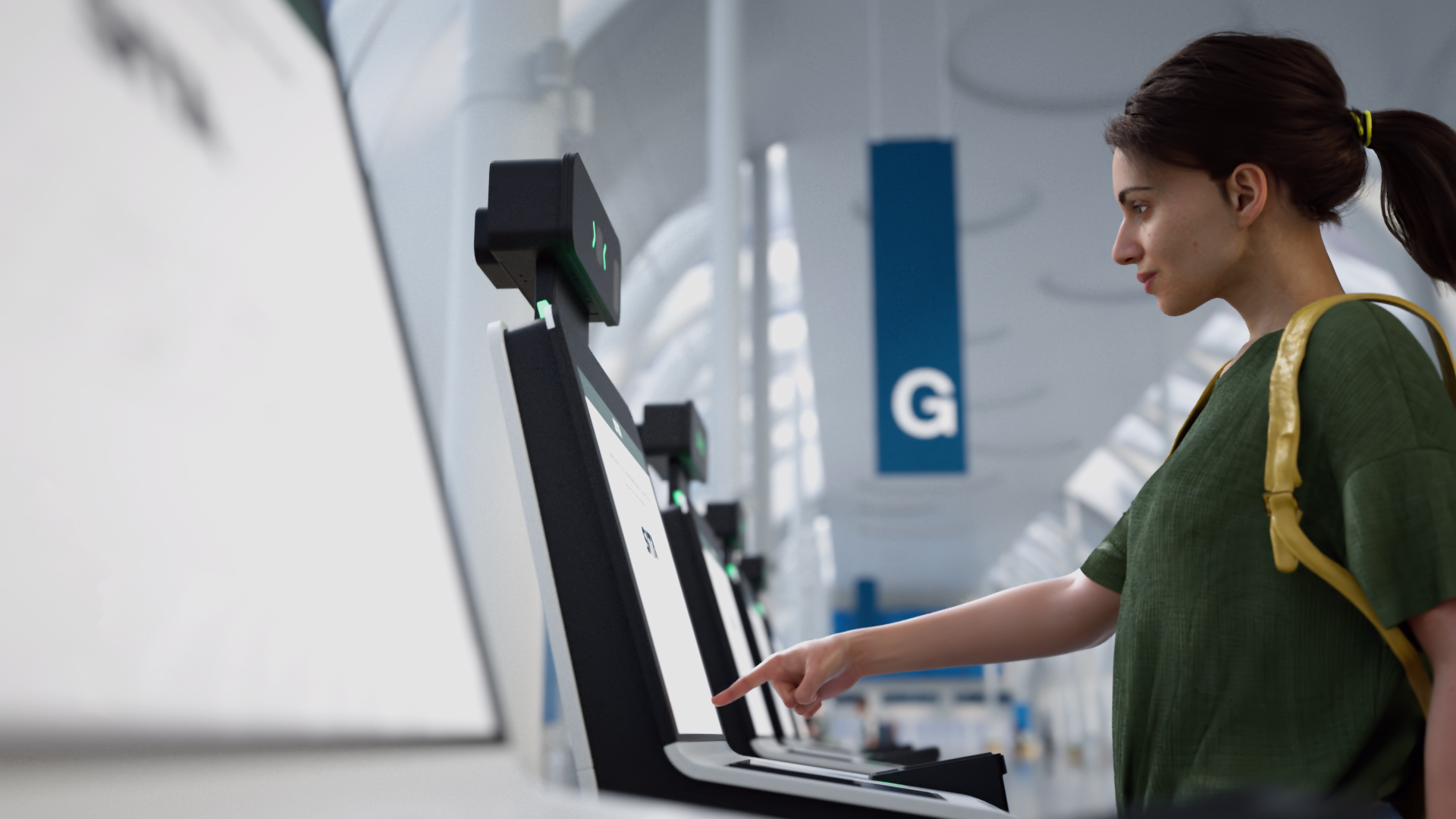


SITA’s Air Transport IT Insights report is well established as the global benchmark research for the air transport industry.
Contact us about Partnership Opportunities

For more information on partnership opportunities at other FT Live events, get in touch today to see how you can get involved.
© Financial Times Live
FT Live and its journalism are subject to a self-regulation regime under the FT Editorial Code of Practice


